
The Best Premium Homemade Artisan Milk Bread Budget Recipe: Never Buy Supermarket Bread Again
If you are a mother managing a busy household and carefully tracking your weekly grocery budget, you have undoubtedly noticed the terrifying rise in the cost of basic pantry staples. A few years ago, a simple loaf of sandwich bread cost a dollar or two. Today, if you want to provide your family with a premium, organic loaf that isn’t packed with high-fructose corn syrup and chemical preservatives, you are easily spending five to seven dollars per loaf at the supermarket. When you multiply that by the number of sandwiches your children eat every single week, the financial drain on your high-yield savings account is absolutely staggering. We know the intense struggle of trying to balance financial wellness with the deep desire to feed your family the absolute highest-quality, healthiest food possible.
What if I told you that you could permanently cross bread off your grocery list and recreate the softest, fluffiest, most luxurious artisan bakery loaf right in your own kitchen for less than fifty cents a loaf? Today, we are unlocking the ultimate baking secret. This incredible, premium homemade milk bread recipe is going to completely revolutionize your kitchen routine. Known for its impossibly tender crumb, slightly sweet flavor profile, and beautiful stringy texture, this bread makes the ultimate grilled cheese, the perfect morning toast, and the most decadent French toast you will ever consume. Whether you are actively trying to cut down on processed supermarket foods, looking for the best affordable organic meal prep ideas, or simply wanting to fill your home with the intoxicating, nostalgic aroma of fresh-baked yeast bread, this comprehensive budget family masterclass is your ultimate guide.
The Hidden Health Costs of Store-Bought Bread
When we discuss premium dietary choices, we often overlook the most common item in our pantry. Have you ever looked at the ingredient list on a standard, plastic-wrapped loaf of commercial sandwich bread? It reads like a chemistry experiment. Commercial bakeries pump their dough full of dough conditioners, artificial softeners, calcium propionate (a preservative to prevent mold for weeks), and refined sugars to drastically increase shelf life and maximize corporate profits.
By taking control of the baking process in your own kitchen, you are actively protecting your family’s health. You are stripping away the unnecessary chemical additives and replacing them with pure, wholesome, premium ingredients. Homemade milk bread utilizes the natural softening power of milk and butter to achieve its legendary fluffy texture, entirely eliminating the need for toxic commercial dough conditioners. It is a phenomenal way to transition your family to a cleaner, more organic lifestyle without triggering the premium price tag of a high-end local bakery.
The Essential Premium Kitchen Equipment for Professional Baking
While the ingredients for this recipe are brilliantly budget-friendly, achieving that perfect, sky-high rise and impossibly soft texture requires serious gluten development. To truly elevate this dish from a dense, heavy brick to a cloud-like, professional-grade loaf, we highly recommend investing in a top-rated premium stand mixer.
Using a high-quality stand mixer fitted with a heavy-duty dough hook is arguably the single greatest financial decision a home baker can make. Kneading milk bread dough by hand can take up to twenty exhausting minutes of vigorous slapping and folding to achieve the necessary “windowpane” effect. A premium stand mixer handles this heavy labor effortlessly, ensuring perfectly kneaded, elastic dough every single time while you focus on other meal prep tasks.
Furthermore, investing in high-quality, heavy-gauge non-stick loaf pans will drastically improve your baking results. Cheap, thin aluminum pans conduct heat unevenly, leading to burnt bottoms and underbaked centers. A premium loaf pan ensures a spectacular, even, golden-brown crust. Finally, do not destroy your beautiful, soft bread by crushing it with a dull knife! Investing in a premium, razor-sharp serrated bread knife will allow you to glide through the delicate crust, preserving the gorgeous, fluffy interior for the perfect sandwich slices.
Detailed Premium Ingredient List for the Ultimate Loaf
To maximize the flavor profile and achieve that perfect bakery taste, precision and quality are key. Here is exactly what you need to create two magnificent loaves of milk bread:
4 Cups Premium All-Purpose Flour or Bread Flour: For the absolute best, chewiest texture, seek out unbleached organic bread flour, which has a higher protein content than standard all-purpose flour.
1 Cup Warm Organic Whole Milk: The temperature is critical. It must be warm (around 105°F to 110°F)—like baby bathwater. If it is too hot, it will instantly kill the yeast. If it is too cold, the yeast will not activate.
1 Tablespoon Premium Instant Yeast or Active Dry Yeast: Check the expiration date! Dead yeast is the number one cause of flat, failed bread.
2 Tablespoons Organic Pure Cane Sugar: This feeds the yeast and gives the bread its signature, delicate sweetness.
1 Teaspoon Fine Sea Salt or Kosher Salt: Never skip the salt; it regulates the yeast growth and provides crucial flavor balance.
2 Tablespoons Premium Grass-Fed Butter (Softened): The fat in the butter coats the gluten strands, keeping the bread incredibly tender and extending its shelf life naturally.
1 Large Organic Free-Range Egg: Brings structure, richness, and a beautiful pale yellow color to the crumb.
1 Tablespoon Light Cooking Oil: Avocado oil or light olive oil works perfectly.
Step-by-Step Instructions for Bakery Perfection
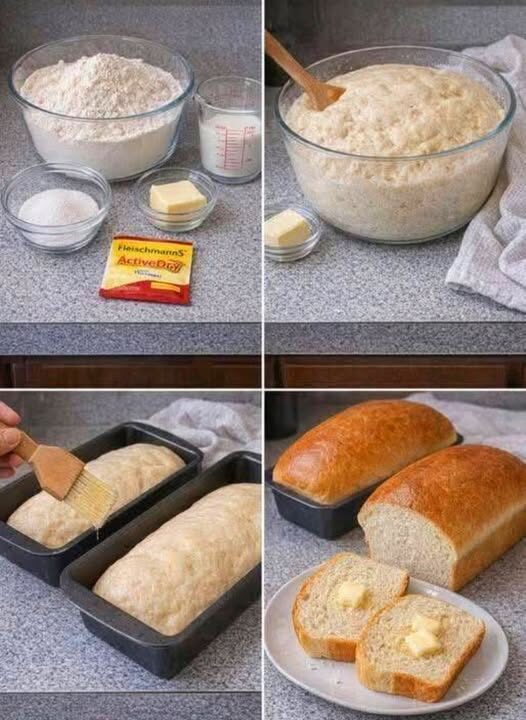
Blooming the Yeast (The Crucial First Step): In the bowl of your premium stand mixer, gently whisk together the warm organic milk, sugar, and yeast. Let this mixture sit completely undisturbed for 5 to 10 minutes. It should become highly frothy and bubbly on the surface. This is the ultimate proof that your yeast is alive and ready to work its magic.
Building the Dough: Once the yeast has bloomed, add your room-temperature egg, softened butter, oil, and salt directly into the frothy liquid. Whisk gently to combine the wet ingredients.
The Mixing Process: Attach your heavy-duty dough hook to the stand mixer. Turn the mixer on low speed and begin adding your premium flour, one cup at a time. Continue mixing on low until a shaggy, cohesive dough begins to form and pulls away from the sides of the bowl.
The Master Knead: Increase the mixer speed to medium-low and let the machine vigorously knead the dough for 8 to 10 minutes. You are looking for a highly elastic, smooth, and slightly tacky (but not sticky) dough. The Windowpane Test: Pinch off a golf-ball-sized piece of dough and gently stretch it between your fingers. If you can stretch it thin enough to see light passing through it without it tearing, your gluten is perfectly developed!
The First Proof (Bulk Fermentation): Form the dough into a tight, smooth ball. Place it into a lightly oiled, premium glass mixing bowl. Cover the bowl tightly with plastic wrap or a warm, damp kitchen towel. Place it in a warm, draft-free spot in your kitchen for 1 to 1.5 hours, or until the dough has massively doubled in size.
Shaping the Loaves: Gently punch the risen dough down to release the excess gas. Turn it out onto a clean, lightly floured surface. Divide the dough evenly into two equal portions (use a digital kitchen scale for absolute perfection). Gently flatten each portion into a rectangle, then tightly roll them up into a log shape, pinching the seams securely closed.
The Second Proof: Place each shaped log, seam-side down, into your premium greased loaf pans. Cover them loosely with a towel and let them rise for another 30 to 40 minutes, until the dough is crowning beautifully just above the rim of the pans.
The Golden Bake: Preheat your oven to 350°F (180°C). For an exquisite, glossy, professional bakery finish, gently brush the tops of the risen loaves with a splash of milk or a beaten egg wash. Bake on the center rack for 25 to 30 minutes. The loaves should be a deep, rich golden brown and sound hollow when tapped on the bottom.
The Cooling Phase: This is the hardest part! Remove the bread from the pans immediately to prevent soggy bottoms, and let them cool completely on a wire rack for at least one hour before slicing. Slicing hot bread crushes the delicate crumb.
High-Yield Budget Variations and Storage Strategies
The true beauty of this master recipe is its incredible versatility. Once you conquer the basic dough, you can transform it into countless premium bakery items without spending an extra dime at the store.
Cinnamon Raisin Swirl: Before rolling the dough into logs, sprinkle the flattened rectangle generously with a mixture of dark brown sugar, premium cinnamon, and plump organic raisins.
Savory Cheese Loaf: Fold one cup of high-quality shredded sharp cheddar cheese and a handful of diced jalapeños directly into the dough during the final minutes of kneading.
Whole Wheat Blend: Substitute 1.5 cups of the all-purpose flour with premium stone-ground whole wheat flour for a massive fiber boost, keeping in mind you may need an extra splash of warm milk.
To maximize your household savings, bake these loaves in double batches. Homemade bread lacks chemical preservatives, so it will only stay fresh on the counter for about 3 days in an airtight container. However, this bread freezes flawlessly! Slice the cooled bread completely, place the slices into heavy-duty freezer bags, and store them for up to 3 months. You can pull individual slices straight from the freezer and drop them directly into the toaster for a spectacular, instant breakfast. Ditch the expensive supermarket bakery aisle forever and master this phenomenal budget-friendly artisan milk bread today!